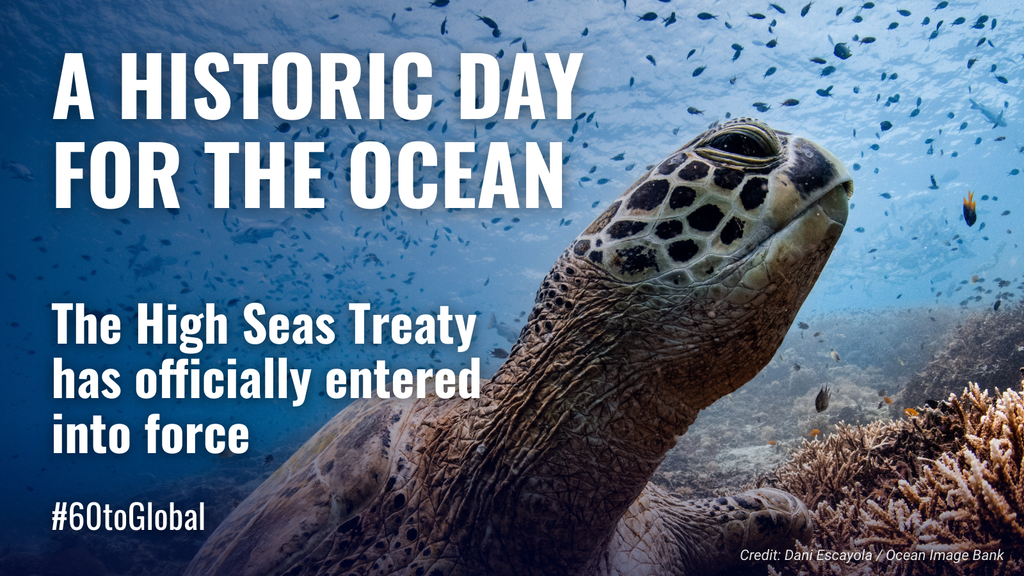
Understand the High Seas Treaty, which entered into force in January 2026, and what its framework means for ocean biodiversity.
The ocean stretches across boundaries drawn on land. Protecting marine life beyond national jurisdiction therefore requires countries to work together. A major step came on 17 January 2026, when the agreement commonly called the High Seas Treaty entered into force. Its formal name refers to the conservation and sustainable use of marine biological diversity in areas beyond national jurisdiction. It is often shortened to the BBNJ Agreement.
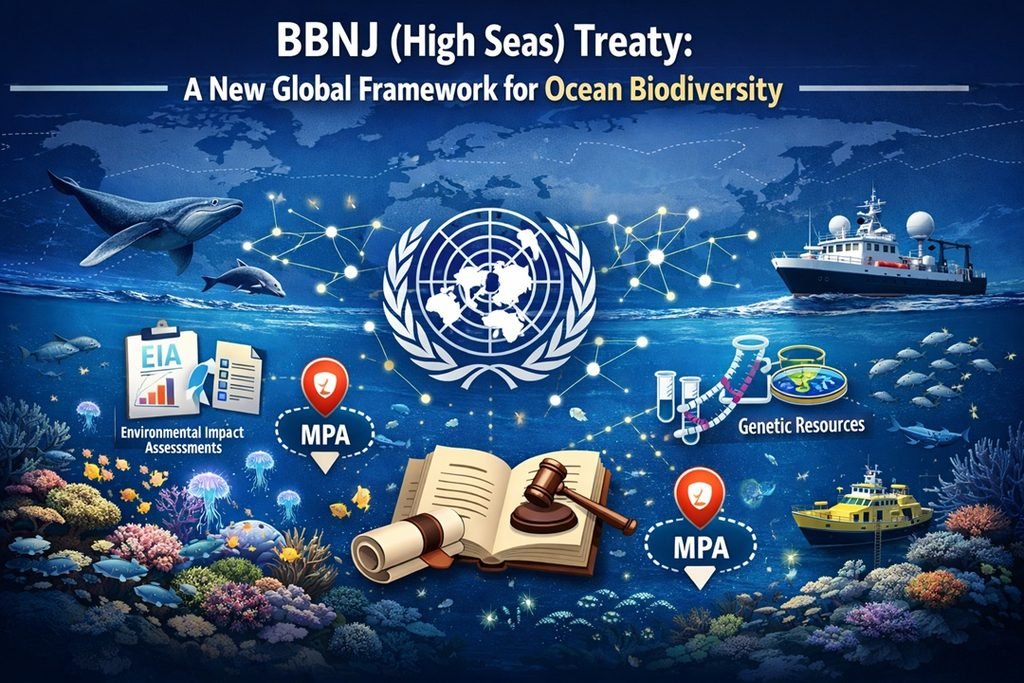
What Does the Agreement Cover?
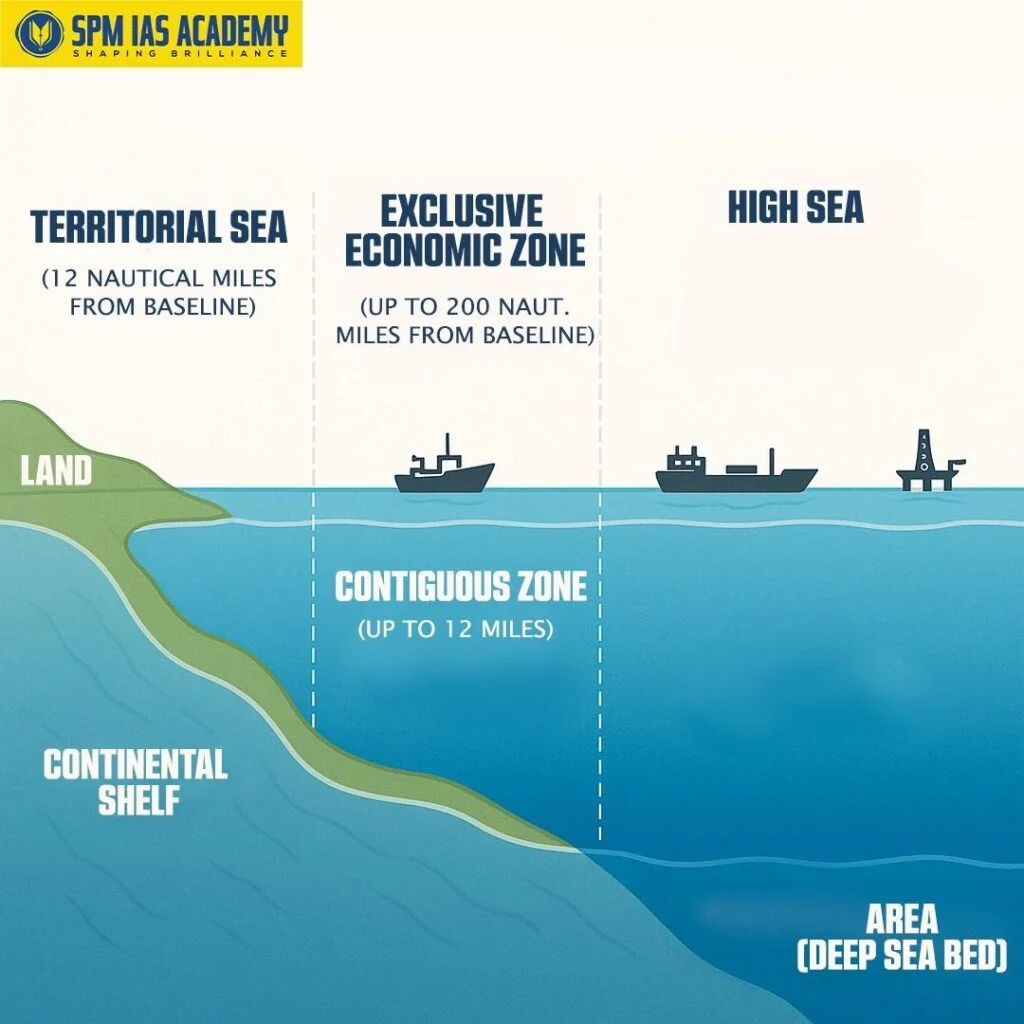
The agreement concerns areas beyond national jurisdiction, including the high seas and the international seabed area. It creates a framework for countries that are parties to cooperate on conserving and sustainably using marine biodiversity.It does not replace every existing ocean rule or turn all international waters into protected areas. Understanding that distinction helps separate the treaty’s potential from claims about what it has already accomplished.
Four Important Parts
The framework addresses marine genetic resources and benefit-sharing; area-based management tools, including marine protected areas; environmental impact assessments; and capacity-building and the transfer of marine technology.In everyday language, these concern how countries share benefits from marine discoveries, identify places needing protection, consider environmental effects, and support the knowledge and tools needed to participate.
A Framework Is a Beginning
Entry into force is an important milestone, but lasting results depend on implementation. Proposals, scientific information, funding, cooperation, and the decisions of participating countries all matter.A useful question when reading future coverage is: does the story describe a commitment, an agreed measure, or a demonstrated result? Those stages are related, but they are not interchangeable.
Why Follow This Story?
Ocean protection connects science with decisions about shared resources. The treaty offers readers a concrete example of how international cooperation becomes a process rather than a single announcement.Its progress is worth following through official decisions and reporting about implementation. The significance of the agreement lies both in the framework it establishes and in the work still required to make that framework effective.
What would you like WorldDecoded to explain next: marine protected areas, ocean research, or how international agreements work?
Fact-check date: 11 October 2026. This article explains the treaty’s entry into force and core framework; it is not a report of every subsequent implementation decision.