
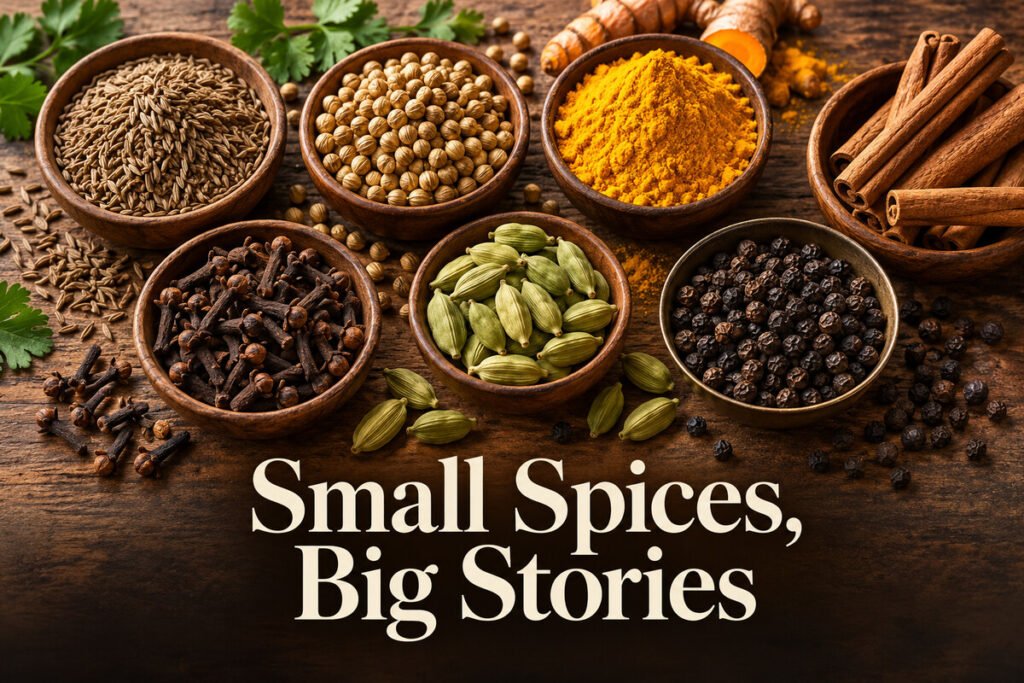
Discover the plants behind cinnamon, cloves, and pepper, and see familiar kitchen ingredients with fresh curiosity.Open a spice jar and an ordinary kitchen can suddenly feel full of possibilities. A little cinnamon suggests warmth, pepper brings a sharp edge, and cloves offer an unmistakable aroma. These ingredients may occupy only a small corner of a cupboard, but each begins with a plant and carries a story.
Looking closely at spices is a simple way to connect food with the wider world.
Cinnamon: A Story Inside the Bark
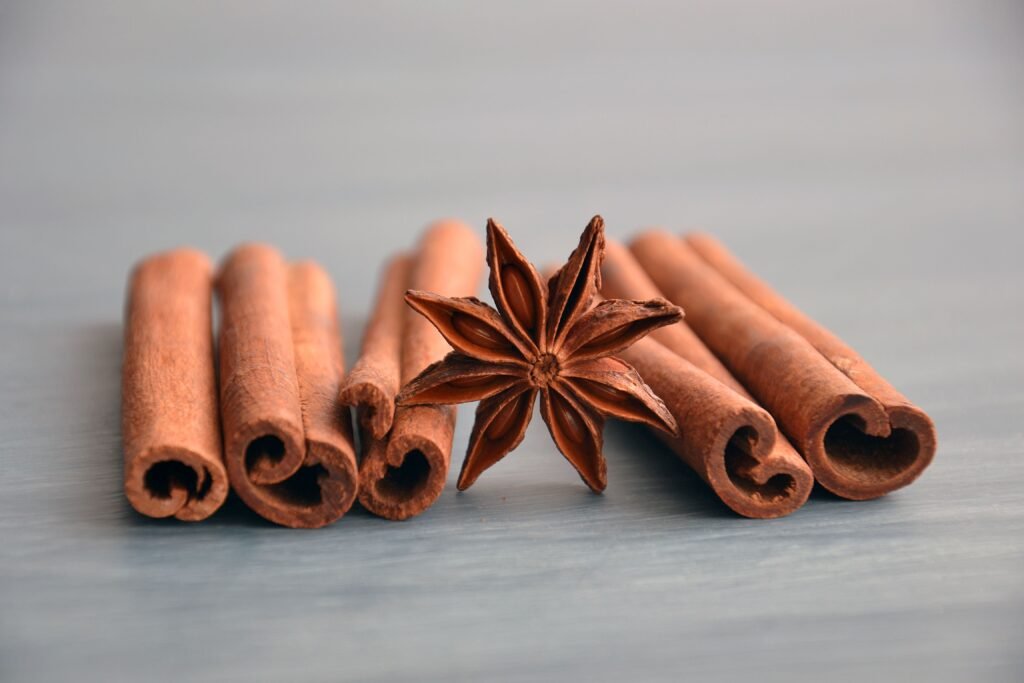
Cinnamon comes from the inner bark of trees in the genus Cinnamomum. Ceylon cinnamon comes from Cinnamomum verum, while other species produce varieties such as cassia.
That curled cinnamon stick is therefore not a seed or a root. It is prepared bark. Knowing this can make a familiar ingredient feel surprisingly new, especially when you imagine the living tree behind it.
Cloves: Flowers Before They Open
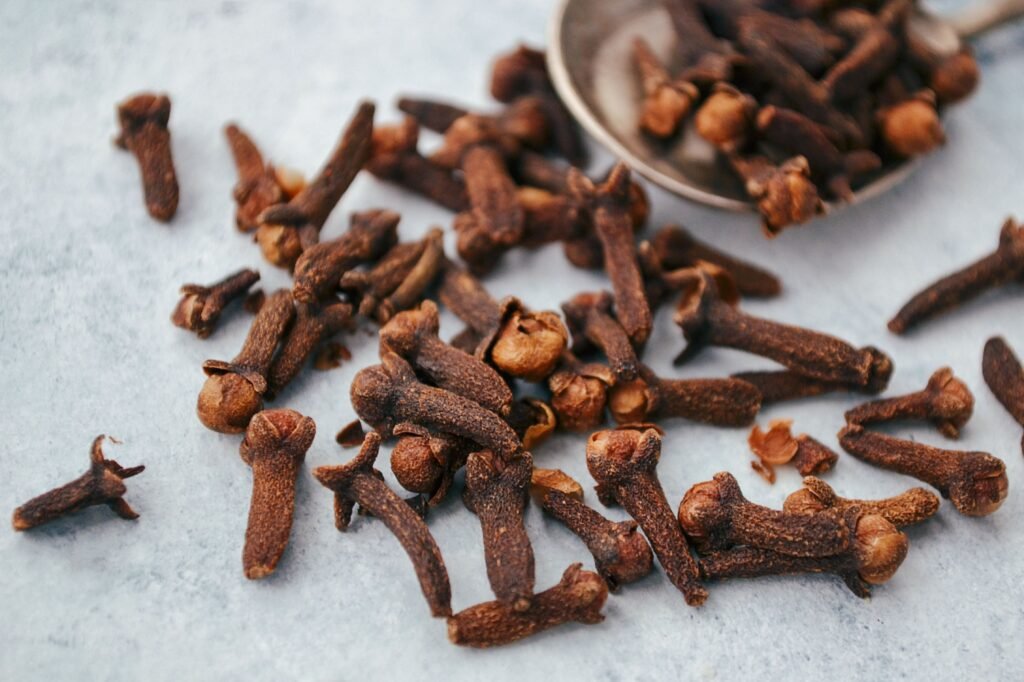
Cloves are dried, unopened flower buds. Their small, nail-like shape makes more sense when you think of them as part of a flowering tree rather than something created for a kitchen shelf.
The clove tree is called Syzygium aromaticum. The buds are harvested before opening and become the strongly aromatic spice used in both sweet and savoury cooking.
Pepper: A Fruit on a Vine
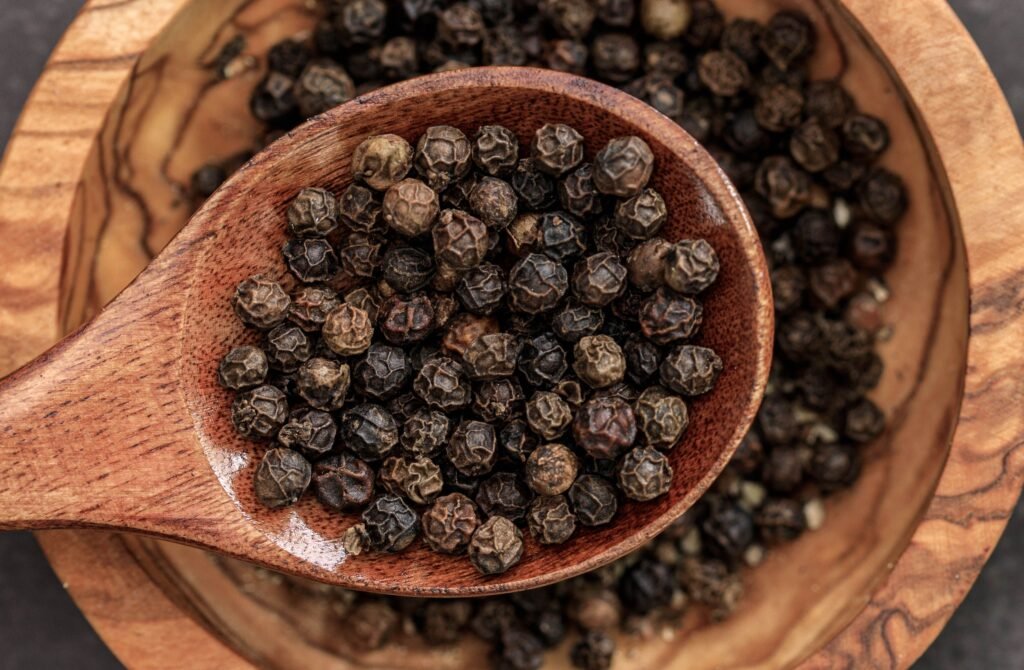
Black pepper comes from Piper nigrum, a climbing plant. Peppercorns are prepared from its fruit. The black pepper in a grinder is different from chilli peppers, even though English uses the word “pepper” for both.
These differences show how everyday food names can hide a fascinating range of plants.
Flavour Is a Conversation
Spices do not belong to only one kind of cooking. A familiar aroma can appear in a dessert, a drink, or a savoury dish, depending on the recipe and the person preparing it.Rather than searching for one “correct” way to appreciate an ingredient, notice what it contributes. Does it add fragrance, warmth, bitterness, or a sharper finish?
Read Your Cupboard Differently
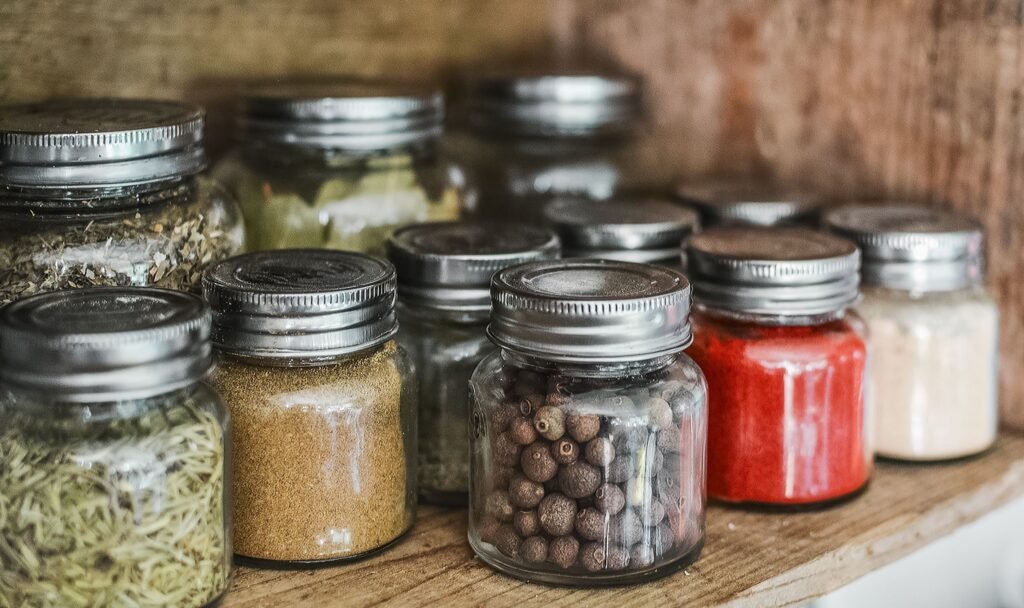
The next time you cook, choose one spice and learn where it comes from. A label can become a starting point for discovering plants, places, and cooking traditions.
Which spice would you like to decode next?